



The struggle is real.
Since reaching my fifties and experiencing profound hormonal changes, body composition and metabolic shifts first-hand, I found myself struggling for the first time to maintain muscle. My old tricks were no longer working. Body fat and excess fluid began to inhabit the areas where my lean muscle once lived, and my energy levels became a fraction of what they once were.
Does this sound familiar to you? Or a version not too dissimilar?
I knew I needed to find a new normal - to change things up, get back to resistance training and increase my daily intake in order to achieve my protein goals. But I didn’t quite know the formula - or exactly how to get more protein in my diet.
Driven by the desire to solve this puzzle and share my findings with you, I began delving into the research, listening to podcasts, and absorbing as much information as possible about the importance of protein intake at this stage of life - how much protein we need and when to consume it for optimal results.
I was fortunate enough to meet Dr Gabrielle Lyon - US based, board certified physician, best-selling author of Forever Strong and the founder of Muscle Centric Medicine - recently, at the Wanderlust Wellspring Gold Coast 2025 event she spoke at.
Dr Lyon is firm in her belief that muscle is the organ of longevity; and it’s the only organ system that we have complete voluntary control over. Physical control leads to mental control. If you’re mentally having a hard time, moving the body can shift the mind.
I got so much out of listening to Dr Lyon speak, as well as my own research.
Here’s more of what I’ve learned.

Why Protein is More Crucial in Perimenopause / Menopause
Declining Oestrogen
- Oestrogen helps regulate muscle maintenance, supports protein synthesis, and protects against fat accumulation. As levels drop during perimenopause and beyond, muscle loss accelerates, metabolic rate declines, and fat distribution shifts (often toward the abdomen). Upping protein consumption helps sustain muscle and supports hormone synthesis.
Anabolic Resistance
- This is a fancy way of describing a reduced capacity of muscle to respond to protein intake and exercise. Simply put, our bodies now require higher doses of protein more frequently to get the same muscle-synthesis response we once achieved more easily.
Loss of Lean Muscle Mass and Strength
- Without intervention, muscle mass, strength and physical function decline more rapidly. This is linked with reduced mobility, poorer metabolic health and greater risk of injury. Protein, paired with functional resistance training, becomes an important defence against this.
Metabolism and Body Composition Shifts
- As metabolic rate drops, fat mass may increase if energy intake and activity aren’t adjusted accordingly. Increasing protein may help reduce unwanted weight gain, preserve muscle and improve metabolic markers.
Bone Health, Immune Function and Repair
- Protein is also needed for bones and tissue repair, immune function, and hormone synthesis - another reason to make your daily protein goals a priority.
In a nutshell, getting the right protein - and enough of it - is essential to our overall health and wellbeing. Yet, most of us aren’t getting nearly enough.
5 Ways to Hit Your Daily Protein Goals
-
Aim for 1.0–1.2 g per kg body weight as a starting target.
Adjust upwards if you’re active or resistance training.
-
Distribute protein evenly across 3–4 meals.
Make high-quality protein the focus of each meal - lean meats, fish, eggs, dairy (if tolerated), legumes, soy, or well-combined plant-based protein sources.
Combine protein with a variety of colourful veggies and fibre-rich foods to feed your microbiome and promote satiety.
Examples:
- Breakfast: Greek yoghurt protein bowl with berries, granola, and a scoop of protein powder; egg and smoked salmon omelette; protein oats with a scoop of protein powder.
- Lunch: Grilled chicken breast and salad; tuna salad; burger without the bun.
- Dinner: Grilled salmon and greens; tofu and tempeh stir fry; steak with salad.
-
Slip in a protein shake before your workout.
Simply mix with water or milk of choice. This can easily add 15–20 g of protein towards your daily protein goals and primes your muscles for training.
-
Consume a whole-food protein source shortly after a workout.
Aim for 30–40 g of protein here to support repair and recovery.
-
Snack with intention
Rather than reaching for quick carbs or sugar, use snacks as an opportunity to add another protein boost. Options include beef jerky, boiled eggs, edamame, or parmesan crisps. Choose snacks with substance and notice how they sustain your energy.

A SANA Perspective
Protein intake is key to optimising health during perimenopause and beyond. But it doesn’t act in isolation. Recovery, sleep, strength training, other macro- and micronutrients, hydration, and self-care rituals all weave together to support true wellbeing.
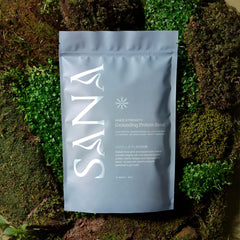
At SANA, we see protein as part of a much bigger story - one that includes gut health, mindful rituals, and self-connection. Protein-rich foods help repair the gut lining, support immune resilience, and can be paired with colourful vegetables and mindful eating practices to create moments of nourishment, not just nutrition.
The key is to discover what works for your body. The more in tune you become with yourself - and what you truly need - the more you’ll begin to thrive.
This stage of life doesn’t have to equal decline. With knowledge, conscious intention and a pivot in strategy, it can usher in a renewed sense of self and a strength you didn’t even know existed.
Let’s do this together x